Blog

Notes on biochar and carbon removal.

Practical explanations of our planning model and the records needed to follow biochar from feedstock to application.

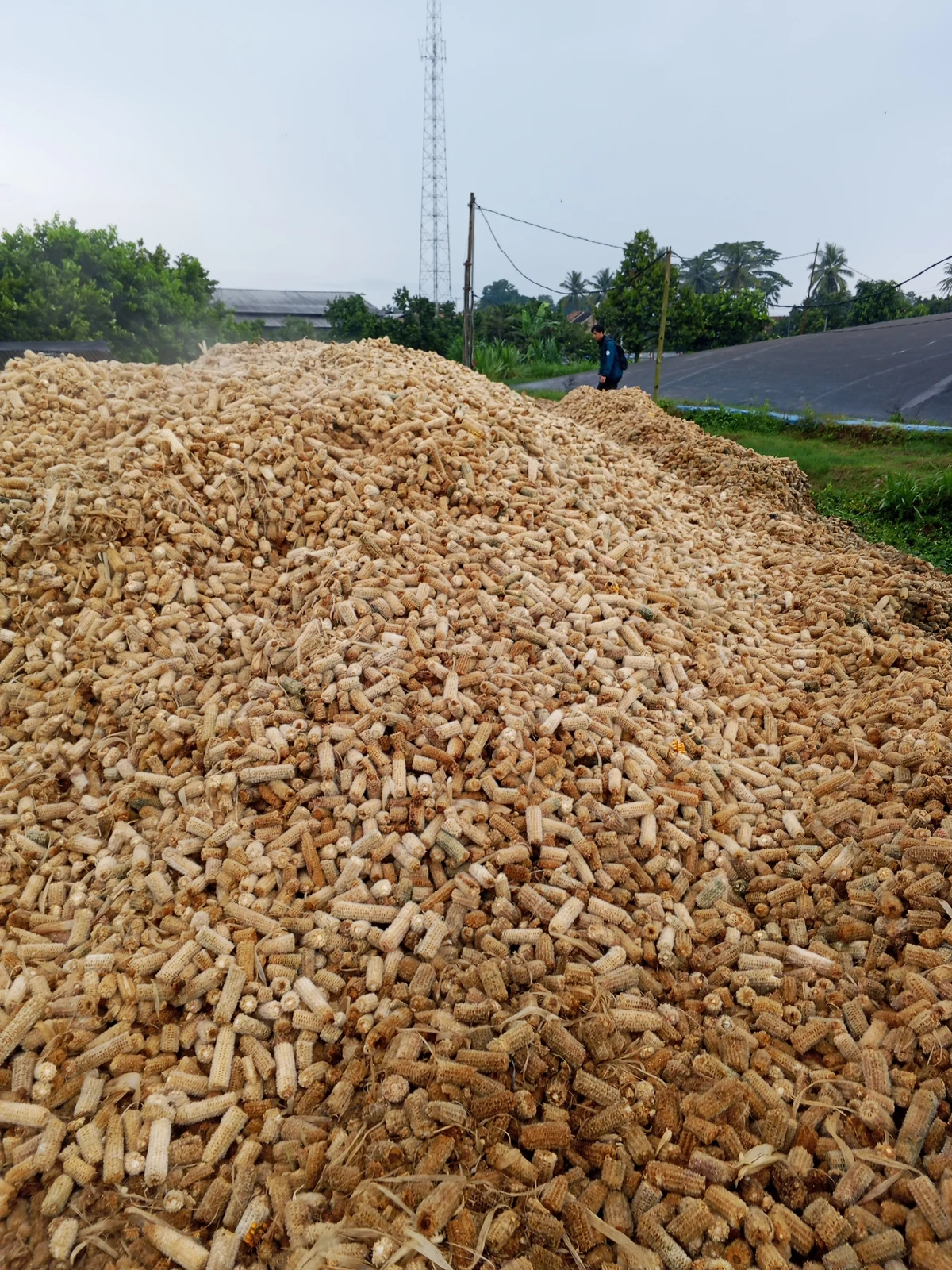
Corn-cob stockpile

What the carbon calculator measures.

Wet feedstock includes both water and dry material. Removing the moisture fraction gives dry feedstock. The assumed dry yield determines biochar mass, and carbon content determines the mass of carbon stored in it.

The model converts carbon to a CO₂ equivalent using 44/12, then applies fixed stability and project-emission assumptions. Annual operating hours change the required feed rate, not the annual mass supplied.

The charts describe a planning scenario. Measured production, laboratory results and an independently verified emissions inventory are needed before reporting actual carbon removal.

Try the planning dashboard
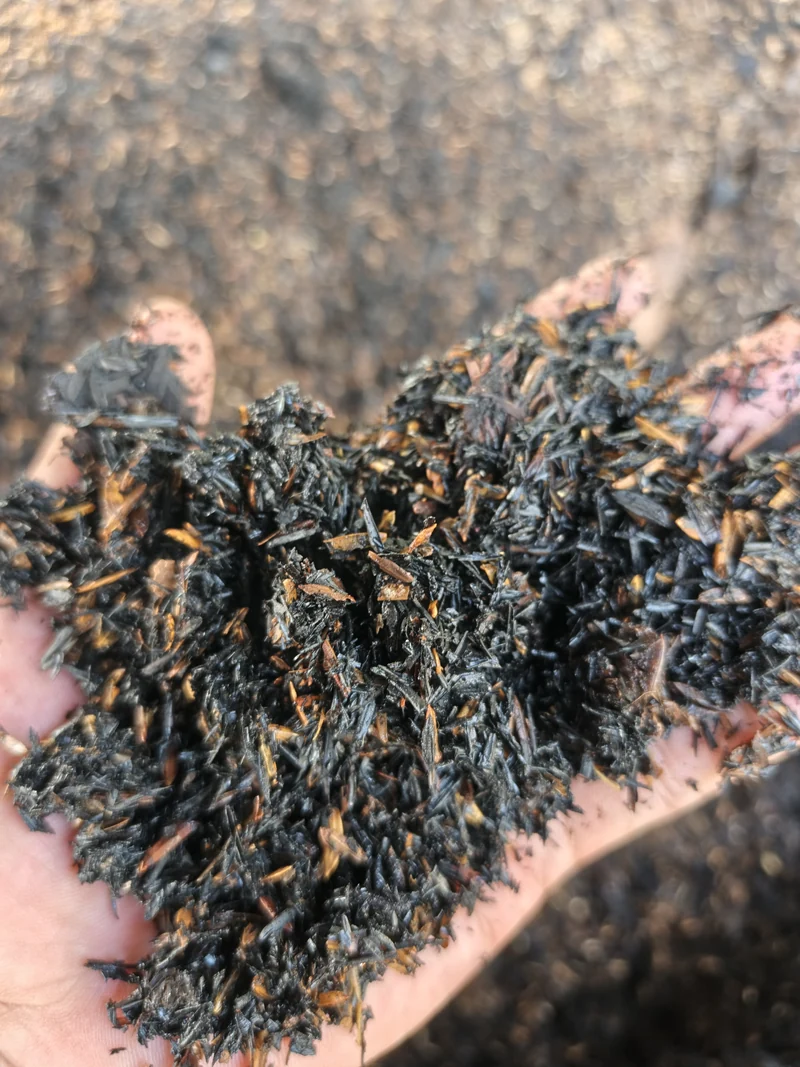
Carbon-rich material sample

From batch records to traceability.

A useful MRV record starts with the carbonizer unit, feedstock, operating times and weighed output. Individual bag IDs keep production linked to inventory and the eventual recipient or application.

The WasteX dMRV guide separates production records, applications, laboratory compliance and report exports. Original photos with timestamps and geotags support the recorded activities.

Our demonstrator uses one example to show that workflow. An inventory calculation can reconcile while evidence or approval is still missing. A digital record alone is not a carbon certificate.

Explore the dMRV example

Let’s discuss your project.

Talk to us about feedstock, biochar offtake or the next stage of the Lampung project.

Contact us